 Cartilage
 Knees
Knees Hip
Hip Shoulder
The Link Between Segond Fracture and ACL Tears in Diagnosis and Treatment
12/03/26


Articular cartilage is fundamental to keeping our joints healthy and ensuring smooth, pain-free movement. This specialised tissue covers the ends of bones within synovial joints — those freely movable joints like the knee, hip, and shoulder. It allows flexibility and helps distribute the forces that occur when we move, walk or run. Despite its crucial role, articular cartilage is especially prone to injury and wear, which can lead to pain and reduced mobility. Specialists such as Professor Paul Lee, working at the London Cartilage Clinic, devote their expertise to patient-centred care for those affected by cartilage issues. In this article, we’ll explore the fascinating structure and function of articular cartilage, how injuries cause pain, and the modern approaches that help support recovery.
Articular cartilage is a smooth, white layer of connective tissue that covers the ends of bones where they meet to form joints. Its main job is to reduce friction and absorb shocks, helping joints move effortlessly and without pain. Being avascular — meaning it lacks blood vessels — it relies on nutrients diffusing from the surrounding synovial fluid to keep healthy.
In terms of structure, articular cartilage is impressively sophisticated. It is very thin, usually just 1 to 6 millimetres thick in human joints, made up primarily of cells (called chondrocytes) which make up around 2–15% of its volume. The bulk consists of an intercellular matrix rich in collagen fibres and proteoglycans, accounting for 85–98%, with water forming 65–80% of the tissue (Herzog, 2006). This matrix gives cartilage its resilience and flexibility, enabling it to withstand pressure and absorb shocks. The tissue is divided into distinct layers — superficial, transitional, deep, and calcified zones — each playing a vital role in function and durability.
Research has emphasised that articular cartilage is “permanent hyaline cartilage” and differs significantly in structure and mechanical properties from the transient hyaline cartilage found in growing bones (Iwamoto et al., 2013). Hyaline cartilage’s smooth, glassy appearance is key to its role in joints, contrasting with other types like fibrocartilage (found in discs and menisci) and elastic cartilage (in the ear), which serve different functions.
The primary role of articular cartilage is to enable smooth, near-frictionless movement between bones. Its surface is lubricated by synovial fluid, creating an interface where the coefficient of friction is incredibly low — as little as 0.002 to 0.05 — allowing joint surfaces to glide effortlessly over each other (Herzog, 2006).
In addition to reducing friction, articular cartilage acts as a shock absorber and evenly distributes forces across the joint, protecting the underlying bone from damage. These functions are essential in minimising peak stresses and wear during movement, ensuring our joints withstand years of use.
Hyaline cartilage, forming the bulk of articular cartilage, cushions the joint during daily activities like walking or running. While hyaline cartilage is also found in other parts of the body, such as the respiratory tract and developing skeleton, its specialised role in joints is to provide this unique combination of cushioning and frictionless gliding.
Without these properties, the joint would suffer rapid wear and painful dysfunction; indeed, researchers highlight that “these characteristics are critical to smooth, pain-free joint articulation and a long-lasting, durable cartilage surface” (McNary et al., 2012).
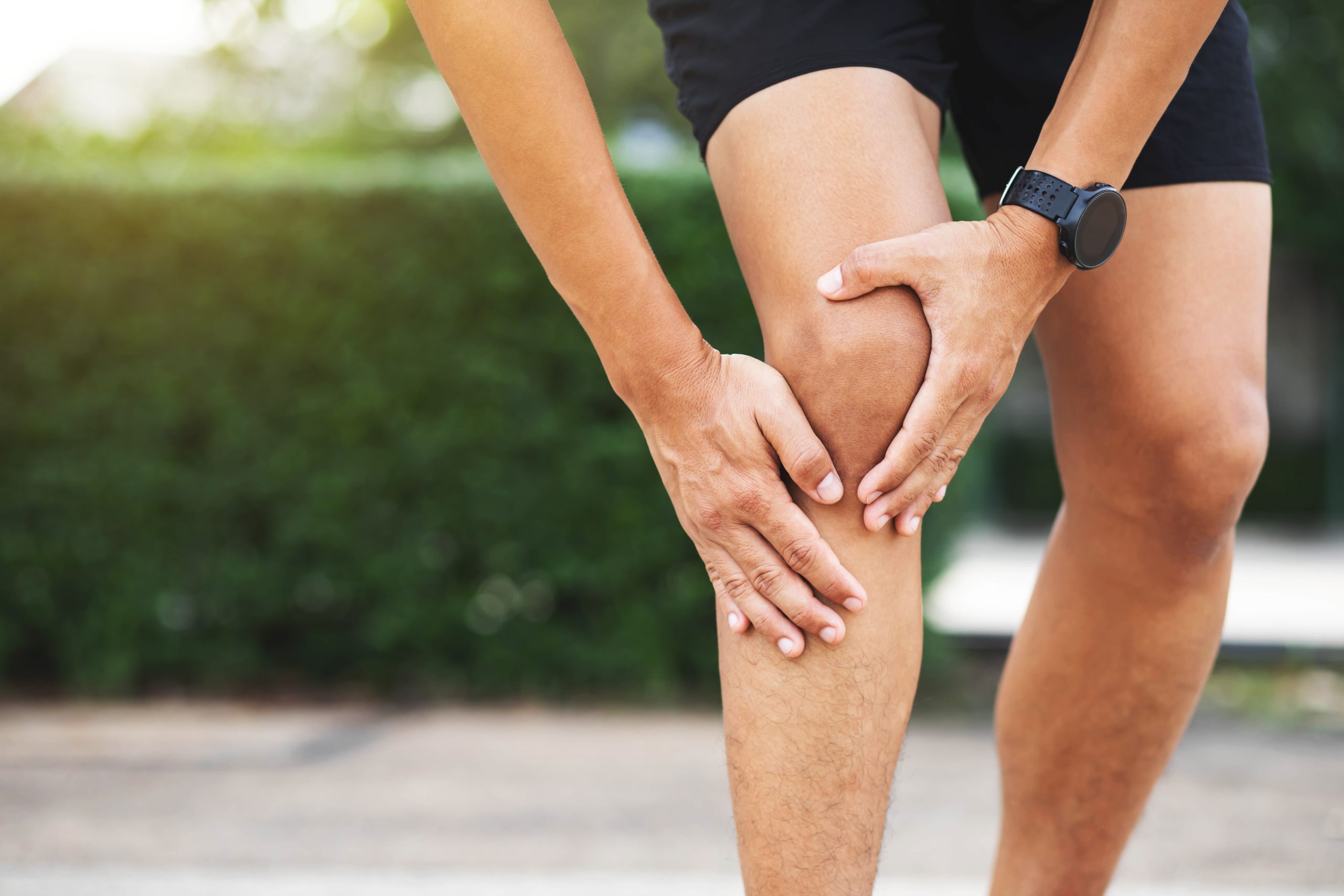
Damage to articular cartilage is a common cause of joint pain, stiffness, swelling, and reduced mobility. Injuries can result from accidents, repetitive wear, or degenerative diseases like osteoarthritis. The knee joint is especially vulnerable due to its weight-bearing role and frequent use.
Osteoarthritis, a widespread joint condition particularly affecting older adults, “is associated with degradation and loss of articular cartilage and a corresponding increase in joint friction, causing pain and disability” (Herzog, 2006). Symptoms often start subtly but can worsen over time, making early recognition essential for effective management.
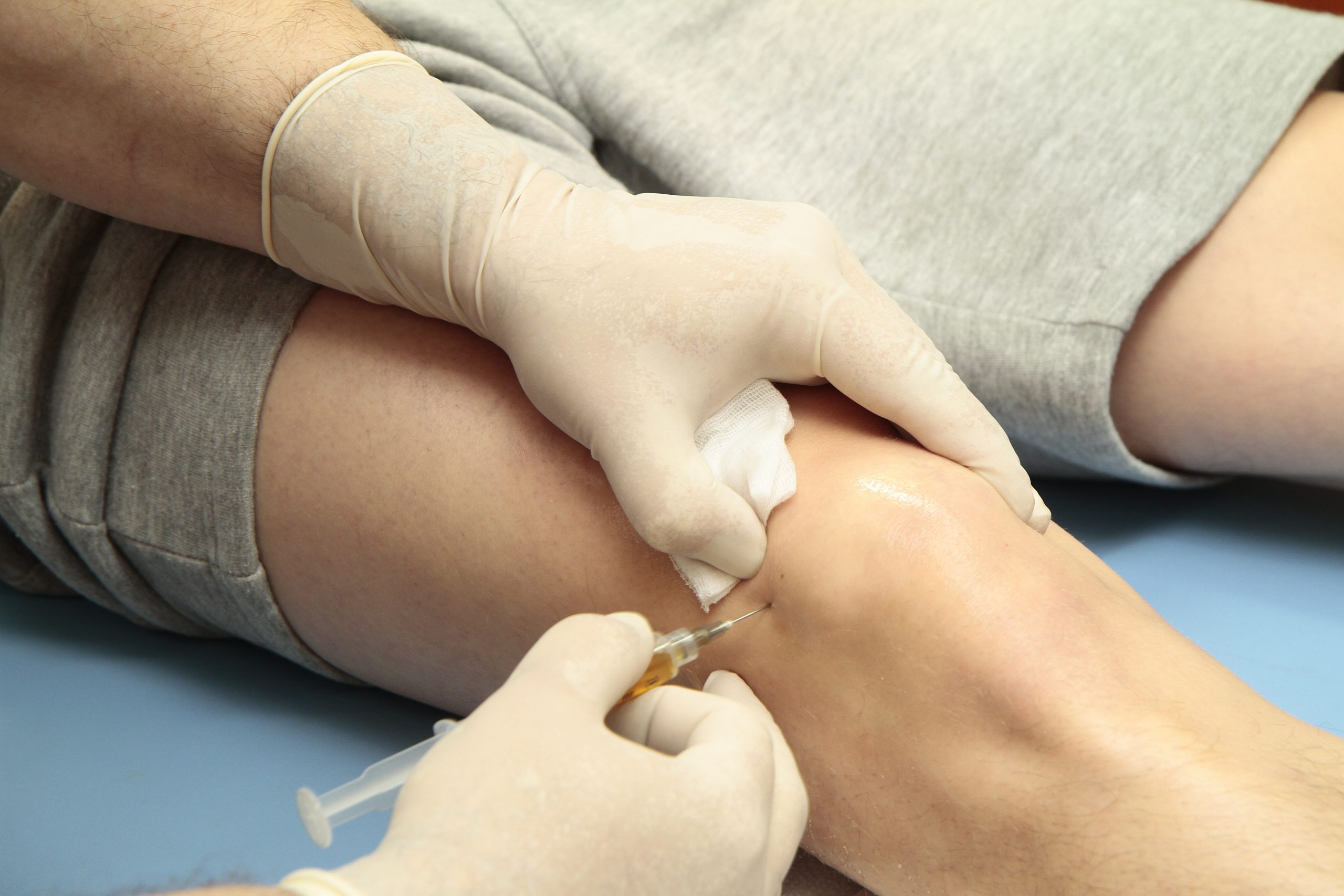
Articular cartilage has a very limited ability to heal, largely because it receives no direct blood supply. However, studies suggest it may use intrinsic stem cells found in the superficial cartilage layer and surrounding joint tissues like the synovium and fat pad to attempt repair (Iwamoto et al., 2013). Despite this potential, cartilage repair is often incomplete, making specialist input crucial. Expert diagnosis using detailed clinical evaluation and imaging can assess damage accurately, guiding appropriate care.
At the London Cartilage Clinic, this expert, evidence-led approach ensures patients receive tailored support, helping to address pain and maintain joint function.
Recovering from articular cartilage injury involves a combination of physical therapy, lifestyle changes, and, where appropriate, advanced medical treatments. Physiotherapy focusses on restoring joint movement and strength while managing pain, and lifestyle factors like maintaining a healthy weight reduce stress on affected joints.
The time required for recovery depends on the injury’s nature and the individual’s health. Since cartilage heals slowly, early intervention and consistent care are key to better outcomes.
Cutting-edge research in tissue engineering stresses that regenerating cartilage must not only restore bulk mechanical strength but also replicate the natural lubricating properties of native cartilage. As noted, “engineered tissues should be designed and developed to possess both tribological and mechanical properties mirroring natural cartilage” (McNary et al., 2012). This dual focus is vital to ensure new cartilage can function effectively over the long term.
Moreover, regenerating cartilage should truly resemble permanent hyaline cartilage rather than a temporary or inferior form to ensure lasting benefit (Iwamoto et al., 2013). Current and future therapies aim to harness this knowledge, improving treatment options.
Throughout recovery, professional guidance and a supportive environment – such as that offered by Professor Paul Lee and the London Cartilage Clinic – are vital. Their expert care helps patients navigate the challenges of cartilage injury, setting realistic goals and optimising joint health.
In summary, articular cartilage may be thin and delicate, yet it performs an extraordinary job protecting our joints during movement. Understanding its structure and functions, recognising injury symptoms early, and pursuing modern recovery methods all contribute to preserving joint health. With ongoing advances in science and the dedicated care of specialists like Professor Paul Lee, patients have every reason to remain hopeful of improved outcomes.
For individual medical advice, please consult a qualified healthcare professional.
Herzog, W. (2006). Articular cartilage. In Encyclopedia of Life Sciences. Wiley. https://doi.org/10.1002/9780471740360.ebs0233
Iwamoto, M., Ohta, Y., Larmour, C., & Enomoto‐Iwamoto, M. (2013). Toward regeneration of articular cartilage. Birth Defects Research Part C: Embryo Today Reviews, 99(3), 192–202. https://doi.org/10.1002/bdrc.21042
McNary, S. M., Athanasiou, K. A., & Reddi, A. H. (2012). Engineering lubrication in articular cartilage. Tissue Engineering Part B: Reviews, 18(2), 88–100. https://doi.org/10.1089/ten.teb.2011.0394
Articular cartilage is a smooth connective tissue on joint surfaces, enabling frictionless movement and absorbing shocks. Its unique structure supports joint health and flexibility, preventing pain during everyday activities. Protection from injury and wear is vital for pain-free movement.
Professor Paul Lee uses the latest evidence-based approaches and his extensive experience to tailor treatments. Patients benefit from advanced diagnosis, expert advice and compassionate care in a supportive setting at the renowned London Cartilage Clinic, dedicated exclusively to cartilage problems.
Symptoms of cartilage damage include joint pain, swelling, stiffness, and reduced mobility. Early diagnosis is crucial, as prompt intervention by specialists like Professor Lee at London Cartilage Clinic can accurately assess injuries and guide appropriate management for optimal long-term joint health.
The London Cartilage Clinic offers professional care combining physiotherapy, lifestyle modification, and advanced treatments. Led by Professor Paul Lee, patients receive personalised support, expert assessment, and access to cutting-edge therapies, ensuring the best possible environment for recovery and ongoing joint health.
Professor Paul Lee is a leading cartilage expert and Royal College of Surgeons Ambassador, known for his advanced skills and patient-focussed approach. The London Cartilage Clinic stands out for dedicated cartilage care, comprehensive support, and outstanding professional expertise in managing complex joint conditions.
All our treatments are selected to help patients achieve the best possible outcomes and return to the quality of life they deserve. Get in touch if you have any questions.
At London Cartilage Clinic, we are constantly staying up-to-date on the latest treatment options for knee injuries and ongoing knee health issues. As a result, our patients have access to the best equipment, techniques, and expertise in the field, whether it’s for cartilage repair, regeneration, or replacement.
For the best in patient care and cartilage knowledge, contact London Cartilage Clinic today.
At London Cartilage Clinic, our team has spent years gaining an in-depth understanding of human biology and the skills necessary to provide a wide range of cartilage treatments. It’s our mission to administer comprehensive care through innovative solutions targeted at key areas, including cartilage injuries. During an initial consultation, one of our medical professionals will establish which path forward is best for you.
Contact us if you have any questions about the various treatment methods on offer.
Legal & Medical Disclaimer
This article is written by an independent contributor and reflects their own views and experience, not necessarily those of londoncartilage.com. It is provided for general information and education only and does not constitute medical advice, diagnosis, or treatment.
Always seek personalised advice from a qualified healthcare professional before making decisions about your health. londoncartilage.com accepts no responsibility for errors, omissions, third-party content, or any loss, damage, or injury arising from reliance on this material. If you believe this article contains inaccurate or infringing content, please contact us at [email protected].